

Biosecurity Clearance Delays in Australia: What Importers Need to Know
With increased pressure on biosecurity clearance in Australia, importers must focus on documentation accuracy and inspection readiness to minimise delays and keep supply chains moving efficiently.
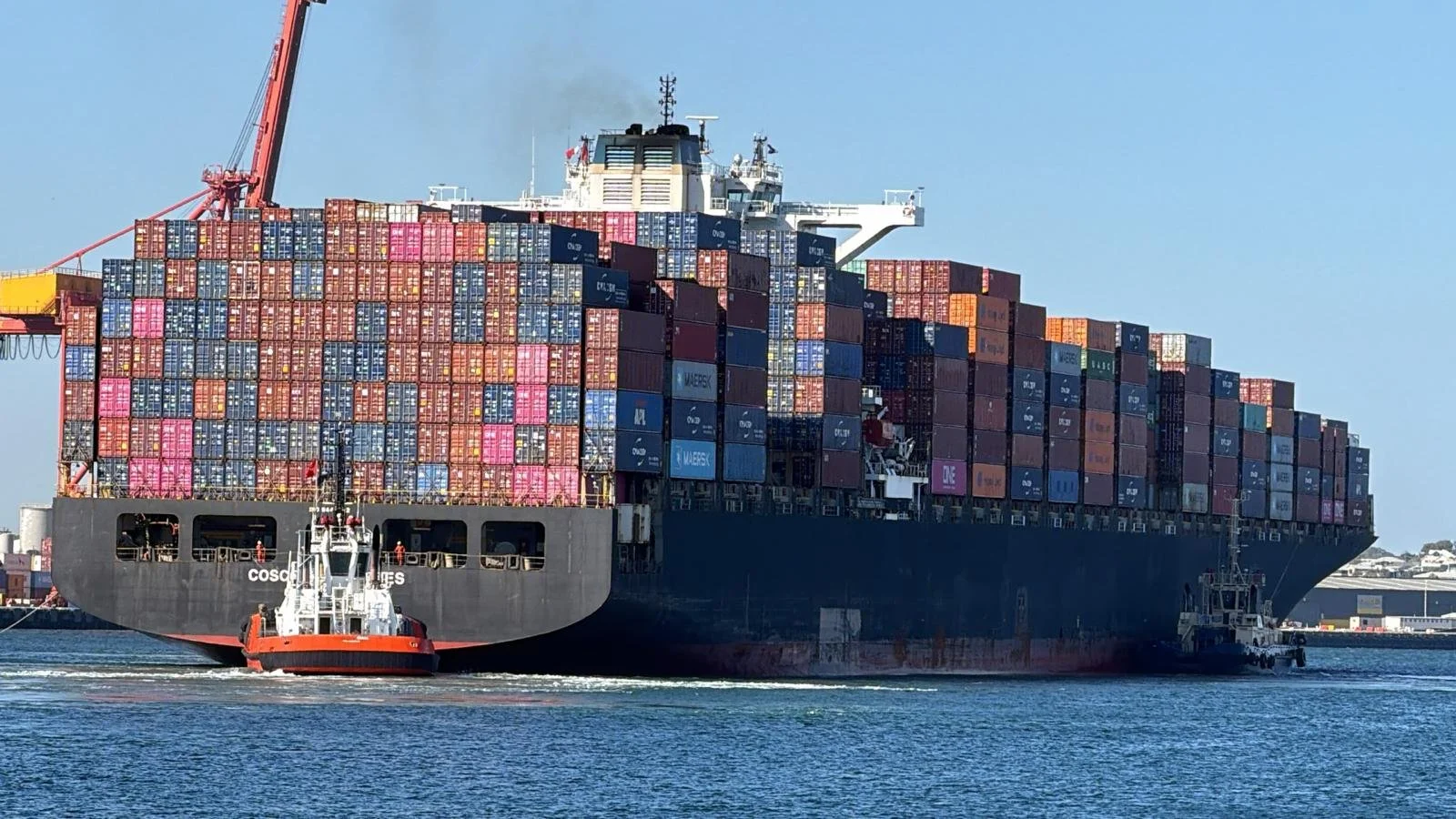
Australia, Containers and a Changing Global Shipping Landscape
Global shipping disruptions have reshaped how containers move around the world, and Australia isn’t immune. From import imbalances to growing domestic demand, container availability is becoming a more complex challenge for local businesses.

Detector Dogs Leading the Fight on Biosecurity
Australia’s biosecurity detector dogs intercepted more than 45,500 risk items in 2025, playing a critical role in protecting the nation’s borders. Leading the pack is Detector Dog Ghost, named “Top Dog” after an exceptional year of frontline work stopping potential threats before they enter the country.
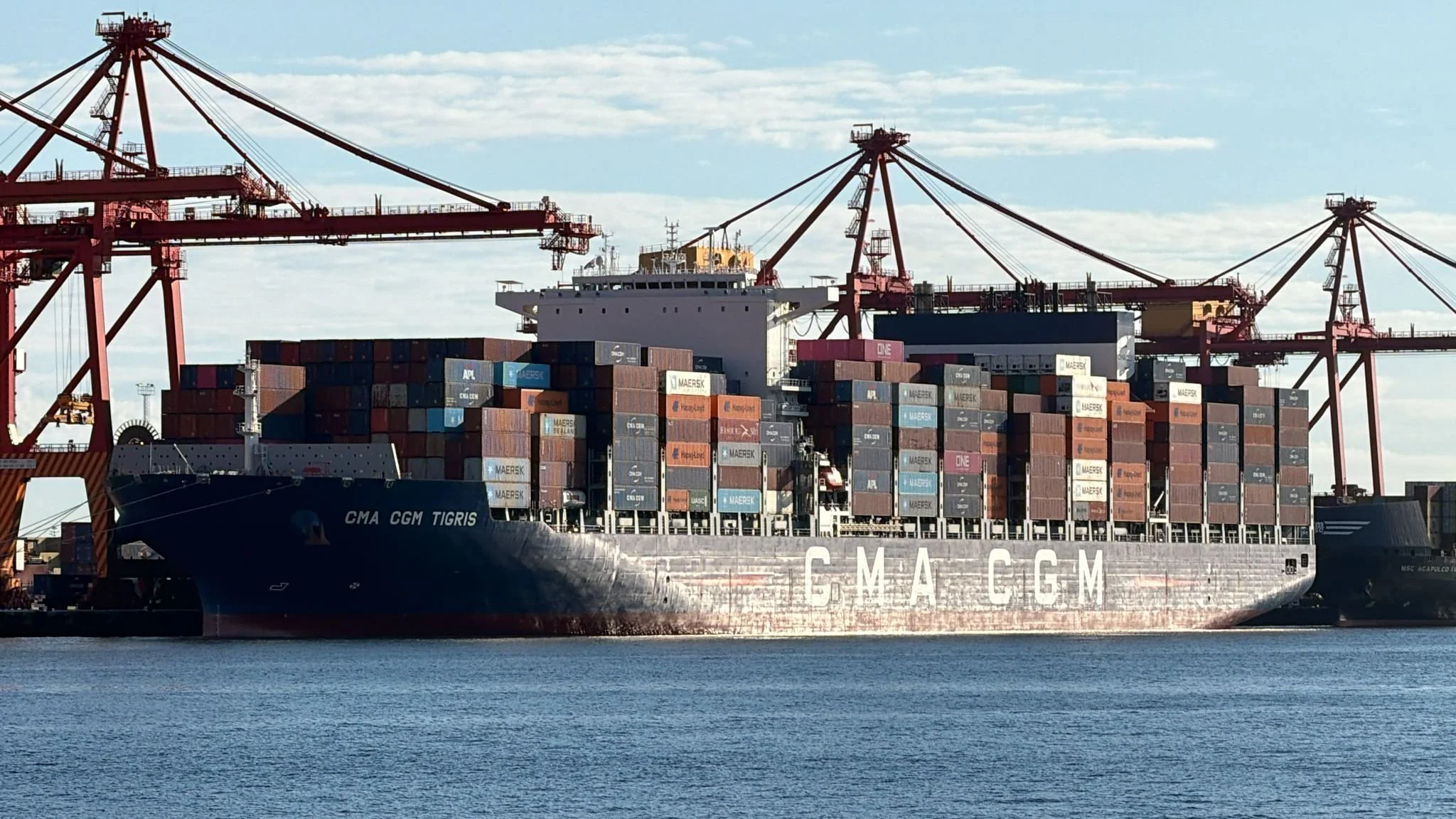
Daily Cargo News - The Bradfield Bulletin
As the Middle East crisis approaches the 50 day mark, global shipping remains under pressure, with shifting vessel behaviour, easing freight rates and ongoing port congestion all pointing to a market still adjusting.

Navigating Uncertainty: Australia’s Trade Resilience Service Steps In
Australia’s new Trade Resilience Service (TRS) comes at a critical time, offering exporters practical logistics intelligence to navigate rising freight costs, reduced capacity, and ongoing supply chain disruption linked to developments in the Middle East.
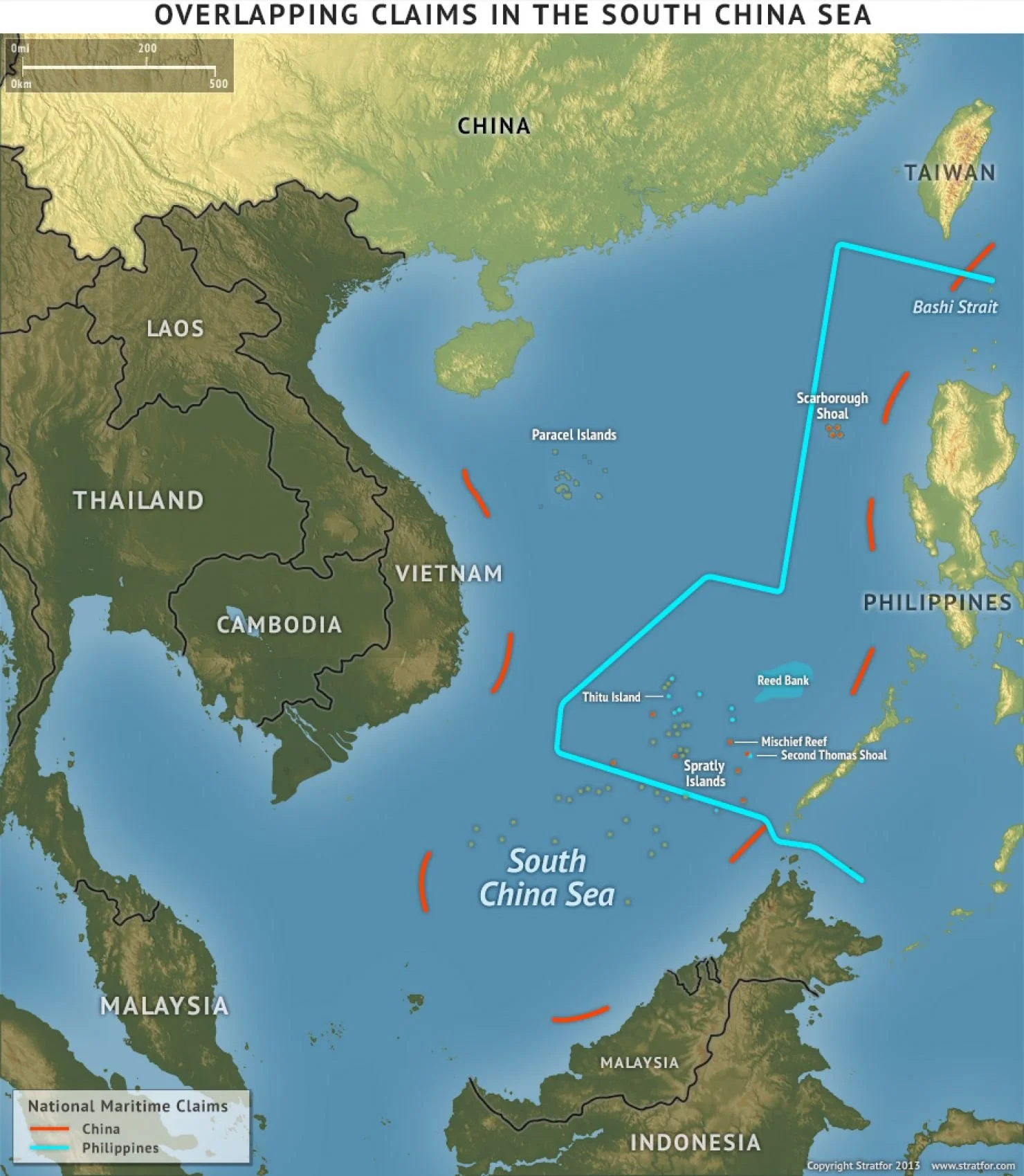
China’s Growing Presence at Sea and What It Signals
China’s latest move at Scarborough Shoal isn’t just about a contested fishing ground, it shows how control at sea is evolving, and why it matters for global shipping.
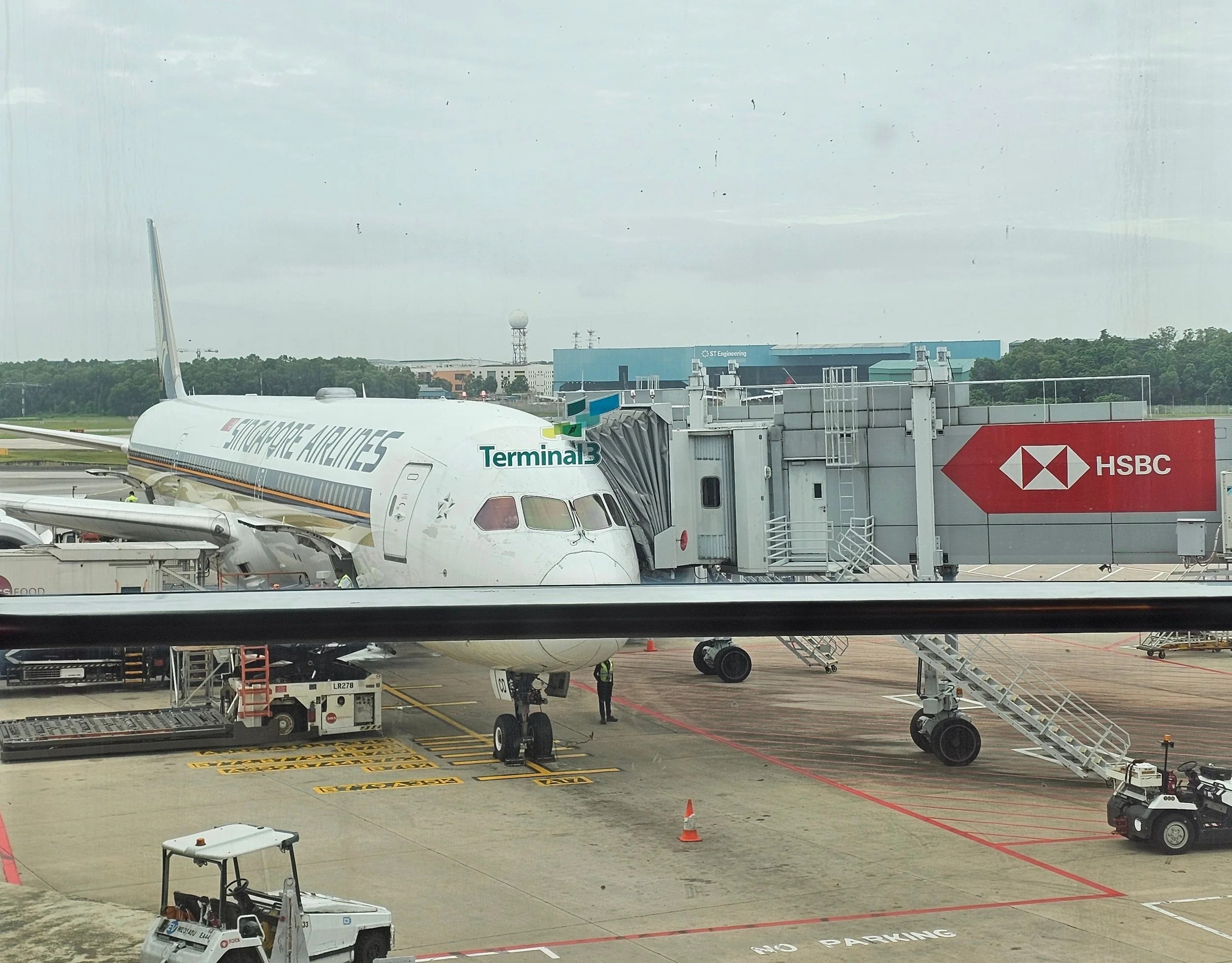
Air Cargo Volumes Continue Steady Growth in 2025
Global air cargo volumes reached nearly 128.9 million tonnes in 2025, rising 2.9% year on year, according to Airports Council International. The data shows the continued dominance of major hubs such as Hong Kong, Shanghai Pudong and Anchorage, with the top 10 airports handling around a quarter of global volumes. For Australian importers, these trends confirm the importance of reliable air freight solutions, particularly for time-sensitive and high-value shipments.

New Customs Bill Targets Counterfeit Imports into Australia
New legislation could soon give Australian Border Force the power to issue on the spot penalties for counterfeit imports. For businesses importing into Australia, this is a clear signal to tighten supplier checks and compliance processes before the rules change.
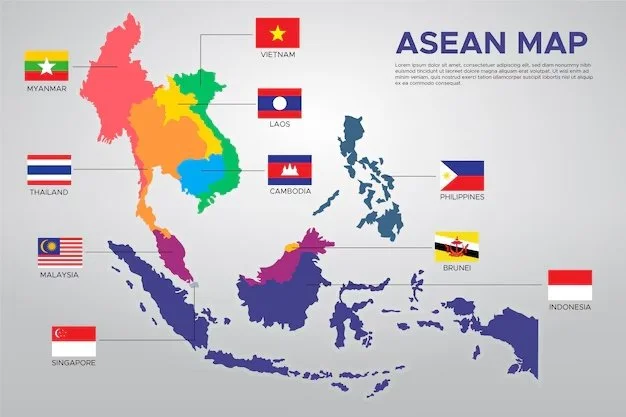
Importing from ASEAN in 2026: What Slowing Manufacturing Growth Means for Australian Businesses
ASEAN has become a key sourcing region for Australian importers, but recent data shows manufacturing growth is starting to slow while costs rise. What does this mean for supply chains, pricing, and freight in the months ahead?

Easter Eggs & Supply Chain Reality
Cocoa prices are down, but chocolate prices aren’t. This Easter is a perfect example of how supply chains really behave ,and why prices don’t always move the way we expect.
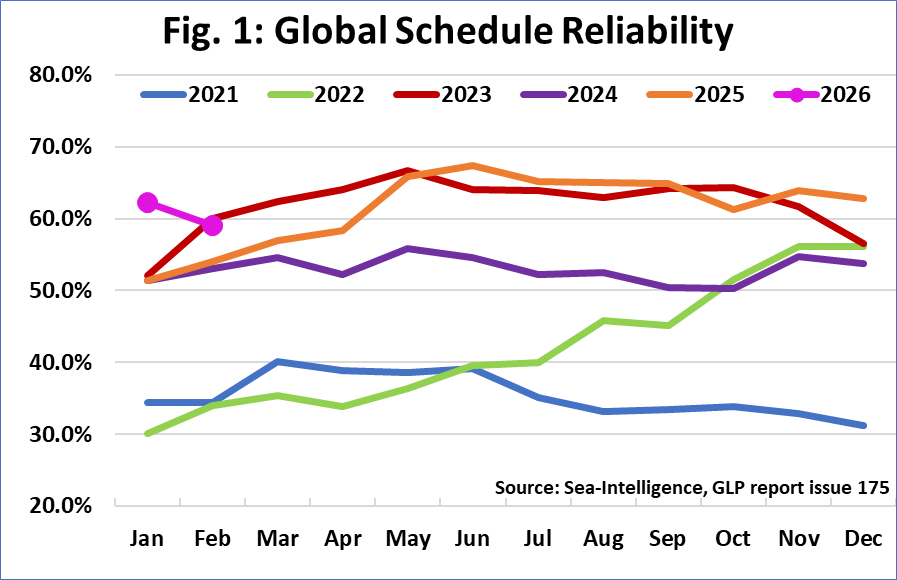
Schedule Reliability Slips as Delays Begin to Build Again
Schedule reliability is slipping again, with rising delays and ongoing disruption signalling more volatility ahead for global shipping
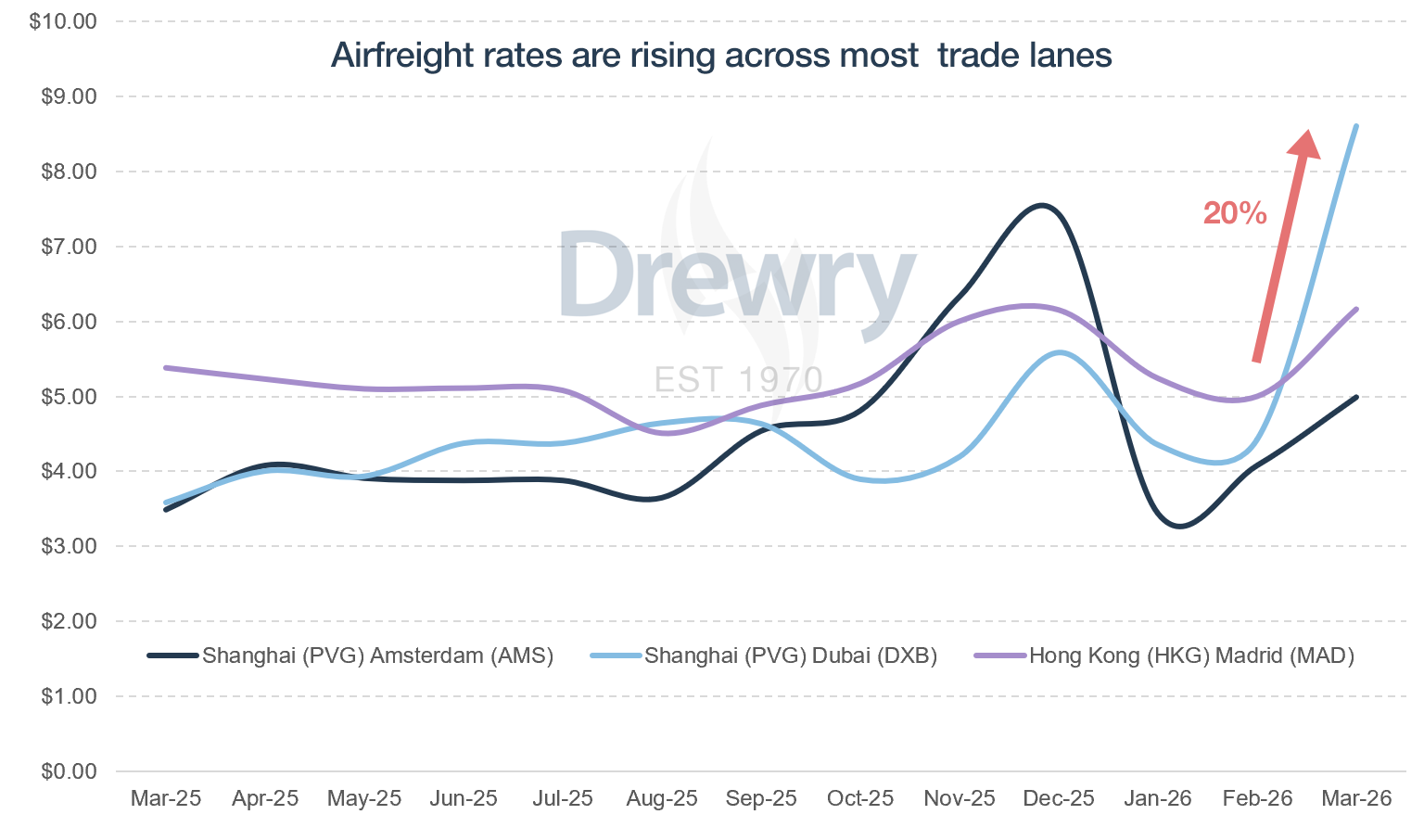
Airfreight Rates Surge as Capacity Tightens and Fuel Costs Climb
Airfreight rates have surged by up to 95% in just one month, driven by reduced capacity and rising fuel costs linked to ongoing Middle East disruptions, with further volatility expected.
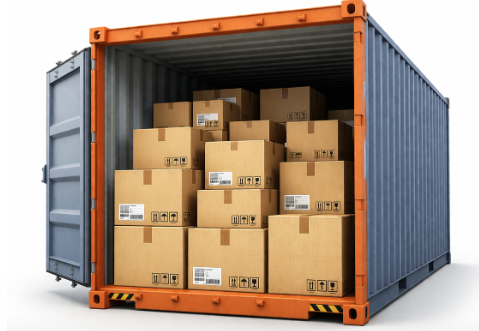
All about LCL Shipping
You don’t need to fill a whole container to ship internationally. LCL shipping allows businesses to move smaller volumes efficiently, while only paying for the space they use.
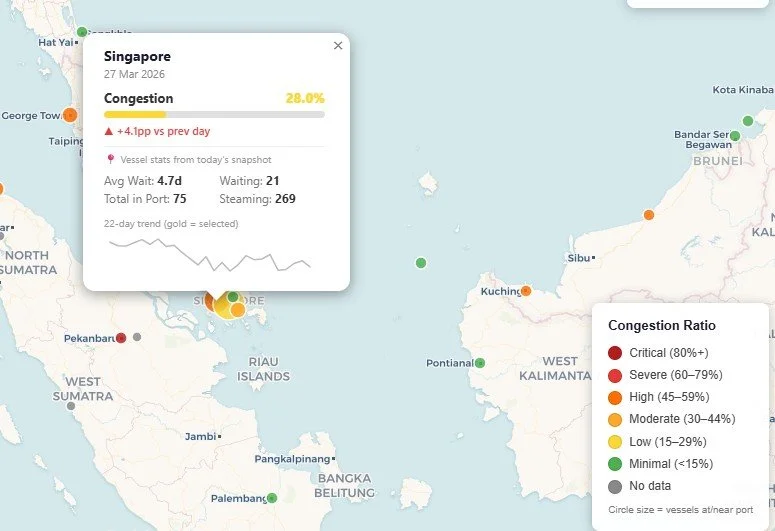
Congestion: Singapore Feeling the Pressure
We’re starting to see the ripple effects of recent disruption play out in Singapore, with increasing congestion and early signs of schedule disruption as carriers adjust their networks.
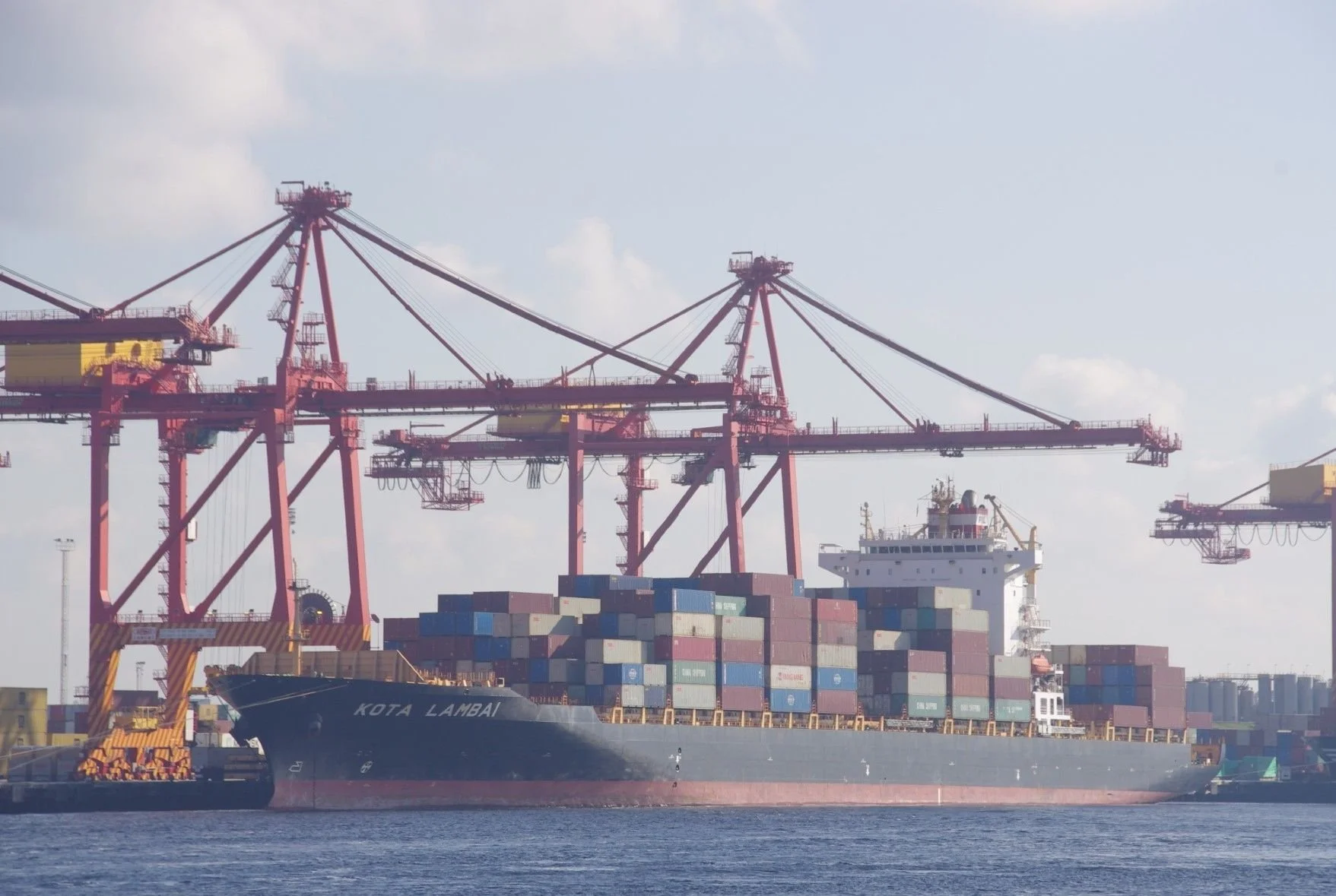
Daily Cargo News - The Bradfield Bulletin
From a looming cyclone off the WA coast to rising pressure on global shipping routes, it’s been a week that shows just how quickly conditions can shift.

6PR Interview - Rough Seas
What started as radio chatter about rising freight costs points to a bigger reality, global shipping is facing fresh disruption, and the impact is already being felt.

Australia–EU Trade Deal: A New Chapter
Australia’s new free trade agreement with the European Union marks a major shift for importers and exporters, reducing tariffs and opening access to a 450 million person market. As trade barriers fall, businesses have an opportunity to expand, but success will depend on how well their supply chains are structured to support increased demand.
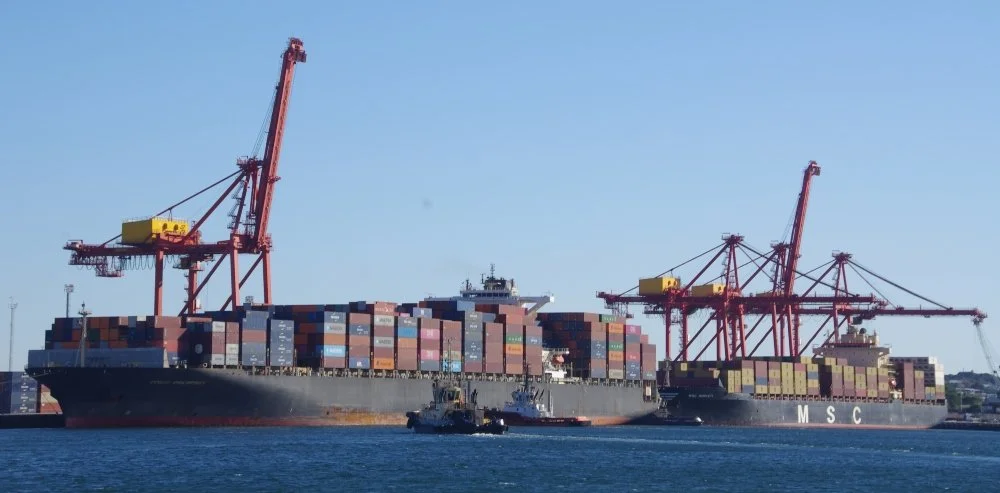
Global Trade in 2026: What Importers and Exporters Need to Watch
Global trade in 2026 is being pulled in two directions, driven by strong demand for technology and AI-related goods, while rising energy costs and geopolitical tension place increasing pressure on supply chains. For importers and exporters, the challenge is no longer just moving goods but navigating a more unpredictable global shipping environment.
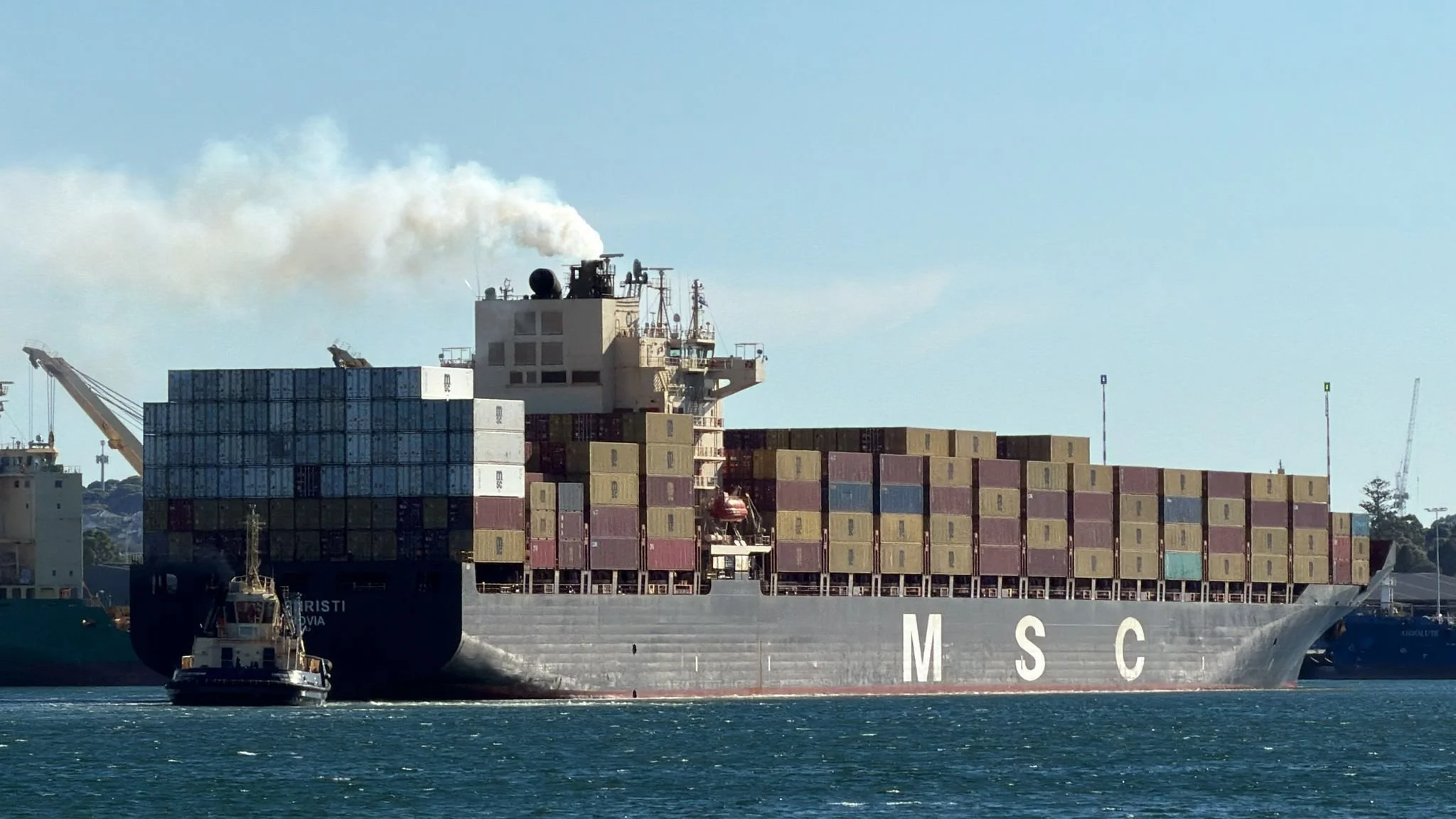
Daily Cargo News - The Bradfield Bulletin
Between rising fuel prices and growing tensions in key shipping lanes, it’s been a week that’s brought the realities of global trade sharply into focus.
With the International Maritime Organization convening an extraordinary session and increasing risks in the Strait of Hormuz, the spotlight is once again on the people and supply chains keeping the world moving.
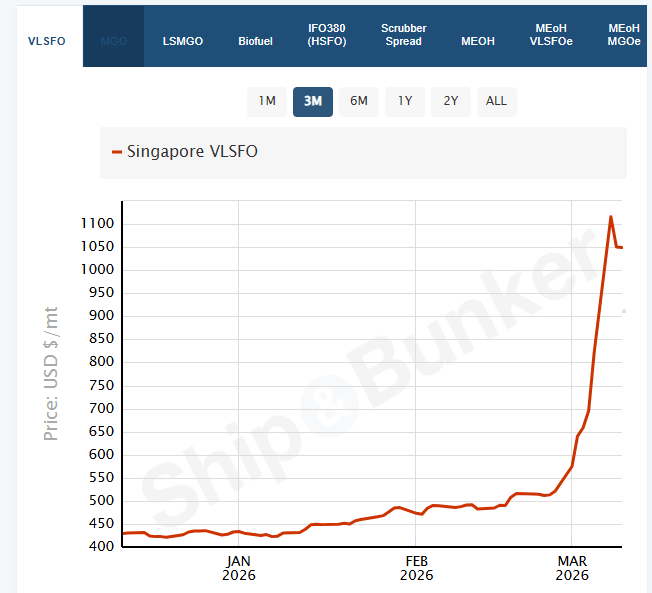
Market Update: Middle East Shipping Disruptions and Global Supply Chain Impact
Ongoing disruptions in the Middle East, including the closure of the Strait of Hormuz, are impacting global shipping networks, driving longer transit times, rising bunker fuel costs, and increased freight surcharges across key trade lanes.